200kW
Two ports, shared power
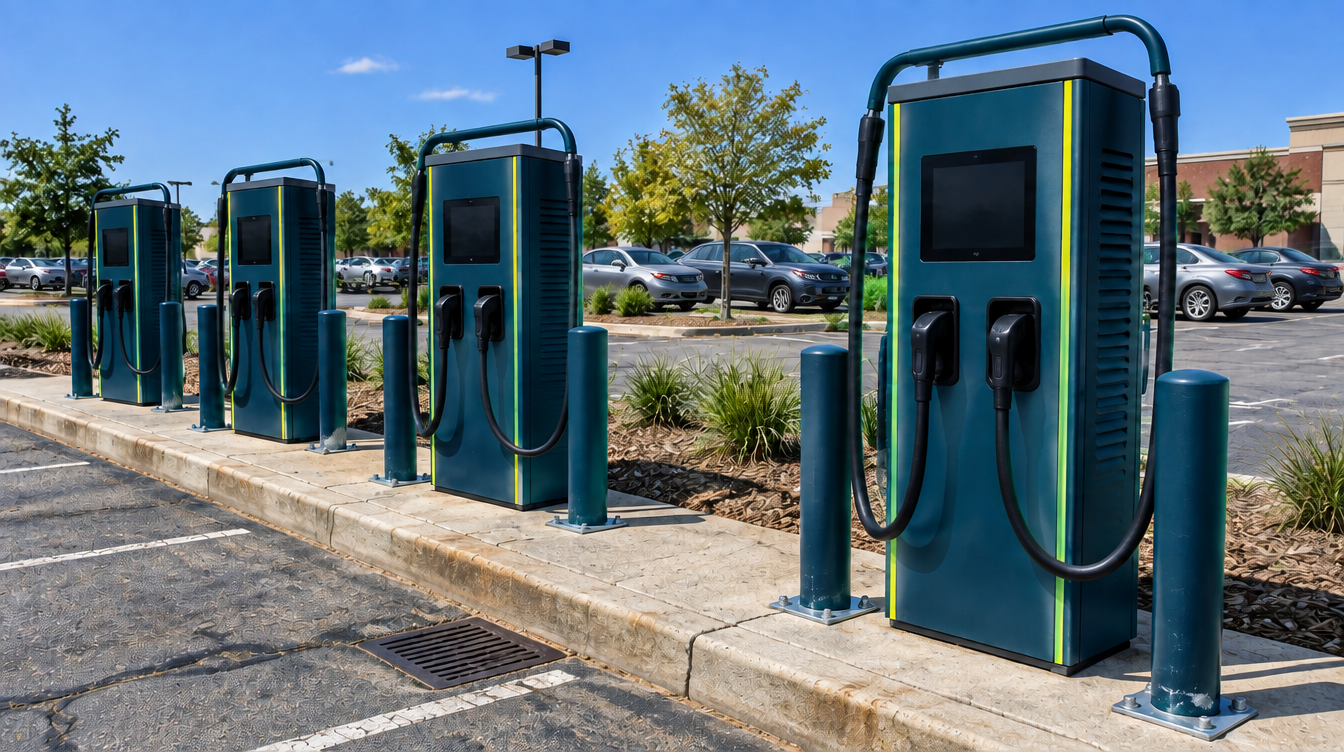
Workplace, retail and multifamily sites where dwell time is long and the existing service is the constraint.


Level 3 DC fast charging, engineered with the service and the storage behind it — permitted, installed and maintained end to end by one team.
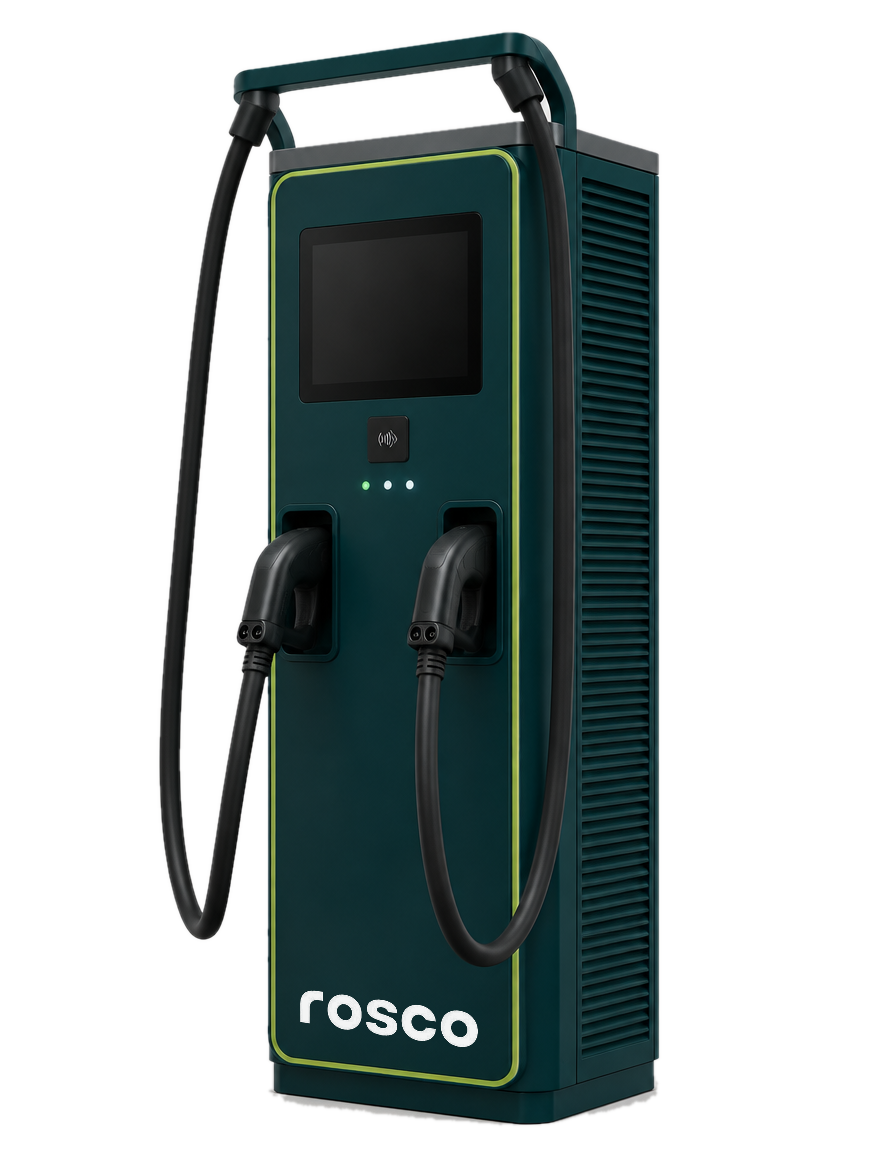
200–400 kWTwo ports
The same cabinet, specified at the output the site can actually support. We size it from the load study, not from a brochure.
200kW
Workplace, retail and multifamily sites where dwell time is long and the existing service is the constraint.
240–360kW
Fleet depots and high-turnover retail where vehicles arrive on a schedule and cannot wait. Specified anywhere in the band once the load study is in.
400kW
Corridor and heavy-duty sites taking the full output a modern vehicle can accept.
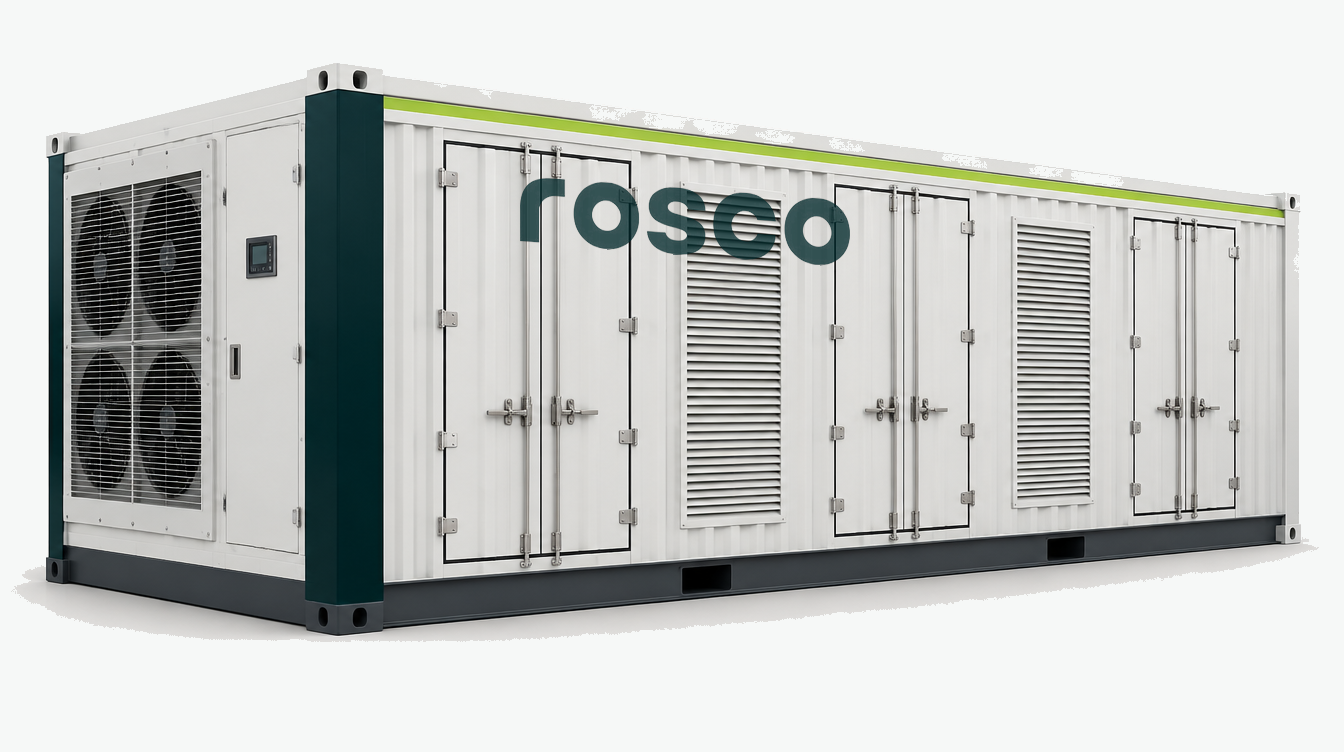
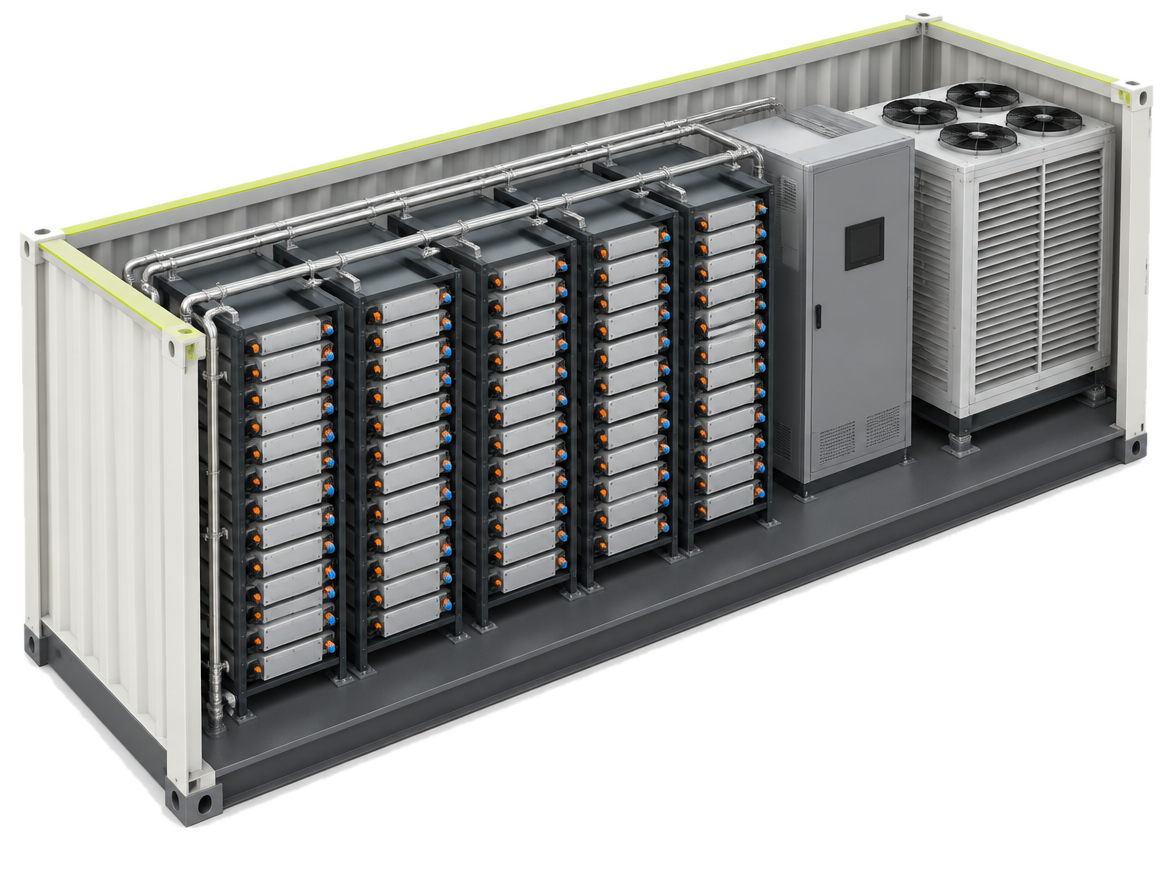
The service that feeds it and the storage that absorbs it are the parts that decide whether a site works at all. We build those too, which is why the charging works on day one and still works in year five.
Chargers your drivers find working every morning.
The service upgrade that sits behind the equipment.
Cut the demand charge the chargers create.
A bank of DC fast chargers creates a demand peak the meter never forgets. Storage flattens it, so the site runs on the service it already has instead of the one the utility would make you pay to build.
No consultant handing off to an EPC handing off to an electrician. One party owns every stage below, and answers for the date.
We identify the programs your site qualifies for and file the applications before the scope is locked, so the funding shapes the design instead of chasing it.
Load study, site walk, equipment selection and layout. You see where every cabinet lands and what the service can carry before anything is ordered.
We buy the gear, carry the lead times and stage it until the pads are ready. Switchgear and transformer lead times are managed as part of the schedule.
Stamped drawings, one line diagrams, load calculations and the supporting documentation each authority asks for.
Building and electrical permits through the local authority, plus the utility interconnection application, tracked by us until both are approved.
Trenching, conduit, pads, concrete, switchgear setting, terminations and mounting. Our crews, our supervision, our schedule.
Energization, testing, network activation, inspection signoff and a closeout package with as builts, warranties and O and M documentation.
Scheduled service, parts, firmware and uptime monitoring under a separate maintenance agreement, priced per site. The team that built it is the team that maintains it.
Five kinds of site, one way of working. The constraints differ; the party answering for the date does not.
The ones that decide a budget, answered the way we would answer them on a call.
All eight stages above, under one contract. Rebates, design, procurement, engineering, permitting, installation, commissioning and maintenance. You sign once and hold one party responsible for the completion date.
We do. We prepare and submit the interconnection application, answer the utility's engineering questions, and track the request through approval and energization. You are copied on it, not running it.
Yes, and we do it first, before the scope is final. Program rules often dictate equipment, metering and timing, so filing early is what keeps the funding attached to the project instead of lost to a design decision.
It depends on the service work and the utility, not on the chargers. A site with adequate existing capacity moves quickly. A site needing a new transformer or a service upgrade is governed by utility lead times. We give you a dated schedule after the load study, not before.
We sequence the work that does not depend on it and keep the application moving. You get the revised date and the reason for it as soon as we have it, which is the point of having one party accountable rather than five.
Maintenance is a separate agreement, not part of the installation price. It covers scheduled preventive service, corrective repairs, spare parts, firmware and network updates, and uptime monitoring. Scope, response times and cost are set per site when the agreement is written.
Often yes. Bring us the drawings, the permit status and the equipment already purchased and we will tell you honestly what is reusable and what is not.
One contract, one number to call, one party answering for the date. Tell us where the site is and roughly what you are trying to do.
Send the location and roughly what you are trying to do. We come back with the questions that decide the budget: what the service can carry today, what the utility will allow, and which incentives the site still qualifies for.
Or reach us directly